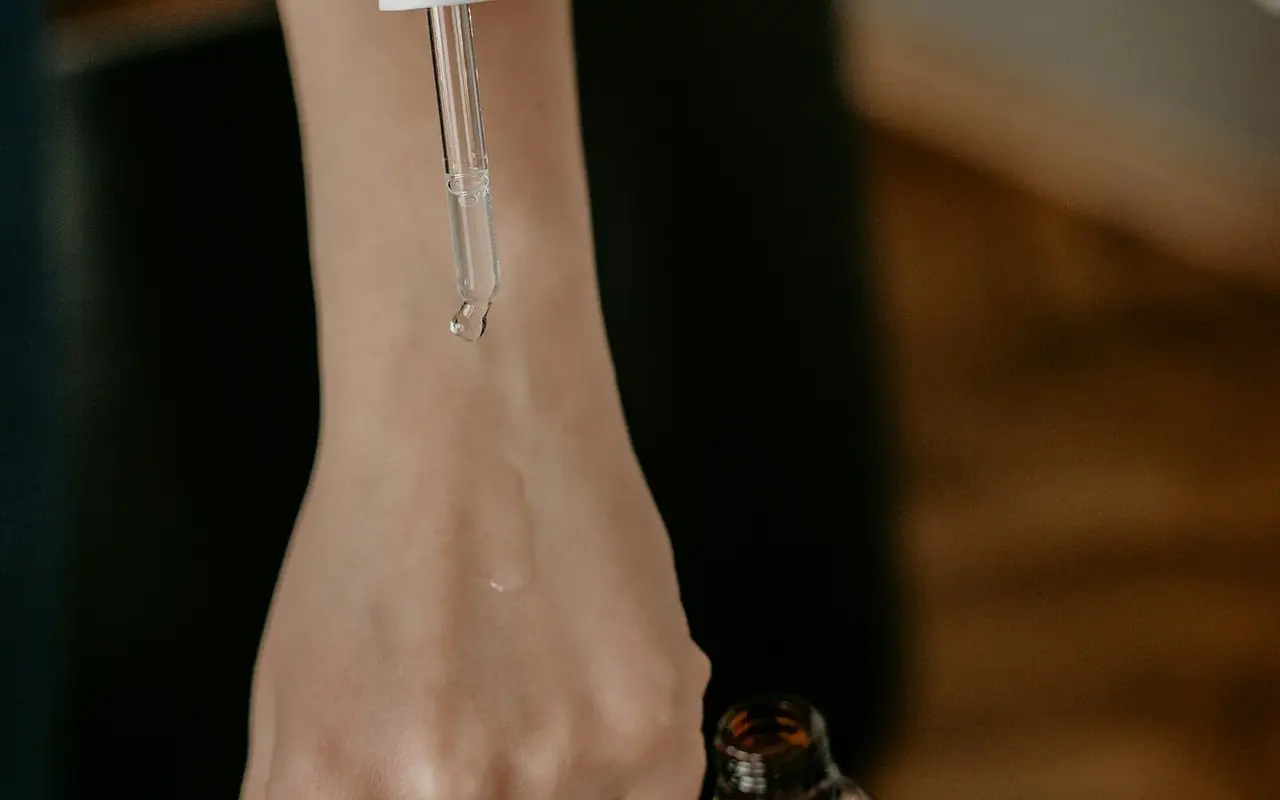
International research consistently shows one finding that often gets glossed over: between 40% and 85% of nurses and healthcare workers experience significant hand skin irritation, from mild redness to chronic dermatitis. IPC audits in Indonesia routinely find staff deliberately skipping hand-hygiene moments because their hands already hurt.
This isn't a cosmetic issue. Irritated hands lower hand-hygiene compliance — and falling compliance correlates directly with rising healthcare-associated infections. This article explains why irritation happens and how to choose products that are genuinely gentler.
What occupational hand dermatitis really is
The medical term: occupational contact dermatitis. Two main types:
1. Irritant contact dermatitis (most common, ~80% of cases)
Not an allergic reaction — but direct damage to the skin's protective layer (stratum corneum) from repeated chemical or physical exposure. Symptoms: redness, dryness, fine cracking, stinging when applying alcohol or soap. Gradual onset.
2. Allergic contact dermatitis
An immune reaction to specific ingredients — most commonly: fragrance, preservatives (methylisothiazolinone, parabens), latex in gloves. Symptoms: strong itching, vesicles, area matching the point of contact. Can appear suddenly after months of using the same product.
Distinguishing the two matters: irritant dermatitis can be reversed by switching to gentler products. Allergic dermatitis requires a patch test to identify the allergen — and lifelong avoidance.
Why healthcare workers' hands are more vulnerable
Five daily factors that stack:
- High frequency. An ICU nurse can wash or rub their hands 30–80 times per shift. The skin's lipid barrier takes ~4 hours to fully regenerate — there's never enough time.
- Harsh surfactants. Many cheap hand washes use a high concentration of sodium lauryl sulfate (SLS). Great at stripping oil — but it also strips the skin's natural oil.
- Glove occlusion. Closed gloves trap moisture and raise skin temperature. Damp, warm skin abrades faster when the next pair of gloves goes on.
- Surface-disinfectant contact. Staff who also clean rooms get hypochlorite, phenol, or quats on their skin without the right protective gloves.
- Humidity swings. Dry, air-conditioned OR + repeated wet-dry cycles = microscopic cracks in the stratum corneum.
These factors can't be eliminated — staff still have to wash according to the 5 Moments of hand hygiene. What can be changed is the product they use.
Signs of irritation that get ignored
- A tight feeling on the hands after washing — the barrier is already breaking down
- Fine white lines (linea albicans) across knuckles and the back of the hand
- A brief sting when applying alcohol hand rub — a signal of microcracks
- Redness around rings or wristwatches (soap accumulating in those areas)
- Thin flaking at the fingertips
At this stage the situation is still reversible with product changes and a consistent moisturizing ritual. If it has reached deep cracks, fissures, or weeping eczema — a dermatologist referral is mandatory.
How to choose gentler products
Four criteria worth checking on any hand wash, hand rub, or hand-sanitizer label:
1. pH close to skin neutral (5.5)
Alkaline hand washes (pH 9–10) irritate by destroying the acid mantle. Pick a product at pH 5.5–6.5 (check the MSDS or ask the supplier).
2. Contains emollients or humectants
Good ingredients: glycerin (3–10%), propylene glycol, panthenol (provitamin B5), allantoin, synthetic lanolin. Modern alcohol hand rubs must include a moisturizer — pure ethanol + water destroys skin in two weeks.
3. Free of strong fragrance (or hypoallergenic)
Fragrance is the #2 cause of allergic contact dermatitis. For staff who have already reacted once, choose an "unscented" variant or one with a mild natural fragrance (chamomile, calendula).
4. Mild surfactants
Avoid pure SLS. Choose gentler combinations: cocamidopropyl betaine, decyl glucoside, or sodium lauroyl methyl isethionate. This is also why chlorhexidine gluconate 4% in a good formulation can be used repeatedly without severe irritation.
What to do when staff are already irritated
- Audit current products. Check MSDS, identify pH, surfactants, and fragrance content. Many cheap hand washes have pH >9 — that is the main source of the problem.
- Switch products for at least 2 weeks. Skin needs time to recover. Don't expect instant improvement.
- Add a hand-cream ritual. After shifts, before bed — apply a moisturizer with ceramide or urea 5–10%. This isn't cosmetic; it's part of occupational health.
- If allergic dermatitis is suspected, refer to a dermatologist. A patch test identifies the specific allergen. Without a proper diagnosis, randomly swapping products won't fix it.
What Emguard offers
Emguard's hand-hygiene line is designed with dermatology research in mind:
- Hand Rub Antibacterial — 70% alcohol with a glycerin-and-emollient combination; no sticky residue; suitable for repeated rubbing.
- Hand Wash Antibacterial — pH-balanced, gentle surfactants, with moisturizer; doesn't strip natural oil as aggressively as conventional hand washes.
- Hand Sanitizer — a portable version for mobile staff (outpatient, ER, ambulance).
- Hand Scrub Plain and Floral — for surgical scrubbing or daily use; the Plain variant is unscented for staff who have already reacted to fragrance.
Our team is often invited by hospitals to audit current hand-hygiene products and draft a phased replacement plan (one unit/floor at first to evaluate, then a wider rollout). Reach out via WhatsApp below.
Summary
Hand irritation in healthcare workers is extremely common — but it shouldn't be accepted as "the cost of the job." Hand-hygiene compliance drops when hands hurt, and that has a direct impact on patients. Audit existing products, switch to gentler ones, add a moisturizing ritual, refer severe cases to a dermatologist. Done consistently, these four steps usually cut dermatitis rates by 50% in 6–8 weeks.